Women and youth in marginalised communities highlight exclusion, demand action
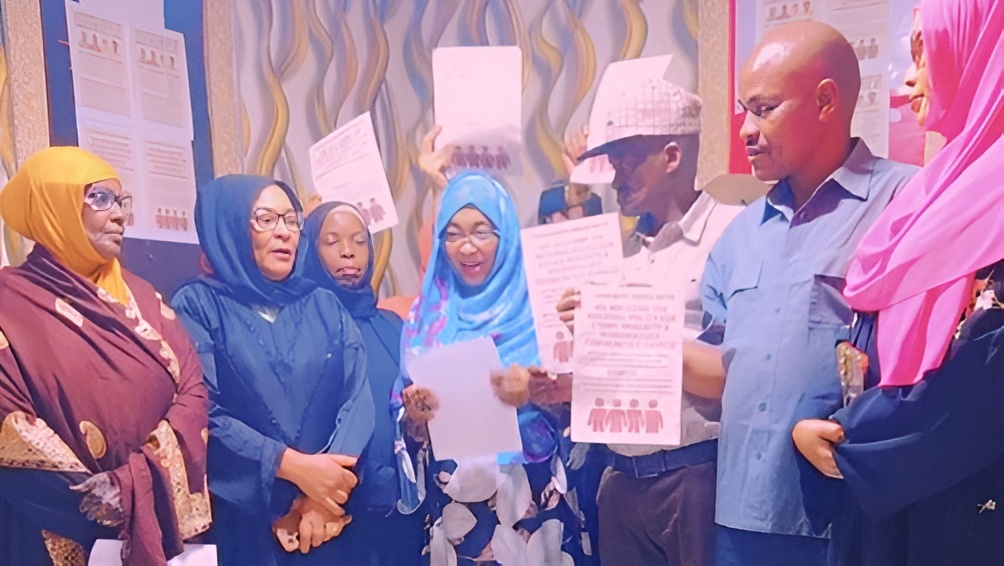
Minority and marginalised communities in Kenya have urged the government to fast-track approval of a national inclusion policy before December 18, 2025, citing persistent exclusion from education, leadership and development.
Minority and marginalised communities have urged the government to urgently tackle persistent exclusion from key social and economic opportunities, despite ongoing efforts to advance their rights. They also called for the swift approval of the National Policy for Ethnic Minorities and Marginalised Communities by the Cabinet.
Speaking in Eastleigh, Nairobi, on Monday, leaders from UMMA Community-Based Organisation (CBO), led by community leader Lul Isaack Ali, alongside representatives of the Ethnic Minority and Marginalised Communities in Kenya (EMMCK), highlighted the continuing challenges facing minority groups.
More To Read
- Nubian Rights Forum launches sensitisation drive to end marginalisation of minority groups
- Parliament pushes Public Participation Bill to streamline hearings
- Government tables Bill to boost inclusion of marginalised communities
- Kwale’s marginalised communities seek recognition, fair treatment
- Karua accuses section of MPs of manipulating public participation in lawmaking process
- Ex–CJ Maraga blasts Privatisation Bill, calls for transparency and public oversight
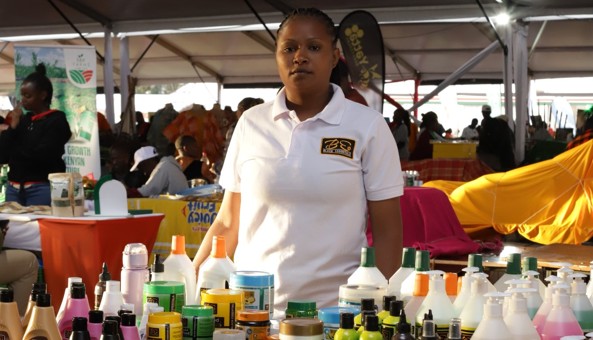
These challenges include limited access to education, low representation in leadership positions, and insufficient development support. Women and youth, they added, are particularly affected due to a lack of livelihood programmes and skills training opportunities.
The leaders expressed gratitude to President William Samoei Ruto, Cabinet Secretaries, and the Minority and Marginalised Affairs Unit under Josphat Lowoi for supporting the development of the National Policy for Ethnic Minorities and Marginalised Communities. They acknowledged progress made so far, including drafting, national public participation, and the recent validation of the policy.
Finalise policy
However, they urged that the policy be finalised, approved by Cabinet, and signed before 18 December 2025—coinciding with the International Day for Minority and Marginalised Communities—to ensure their communities benefit from meaningful inclusion, dignity, and equitable development.
"This milestone marks a new chapter of hope for communities that have endured decades of marginalisation—especially those in remote regions like North Eastern, parts of the Coast, and Rift Valley, where lack of roads and recurrent isolation during rainy seasons have left our people cut off from the rest of the country," the communities said.
"We humbly appeal for the Policy to be concluded and signed by 18th December 2025 so that our people may finally enjoy meaningful inclusion, dignity, and development. As leaders, we stand united and ready to work with the government to ensure effective implementation once the policy is signed," they added.
They also called for accountability regarding the delayed implementation of Articles 56 and 100 of the Constitution, which guarantee political representation, economic inclusion, and protection of cultural rights for marginalised populations.
Minority affairs desk
The communities proposed establishing a minority affairs desk, providing targeted bursaries and skills training, implementing affirmative employment pathways, guaranteeing representation in local committees, supporting livelihoods for women and youth, and introducing measures to protect their cultural identity.
They also highlighted milestones achieved so far, including minority issues being recognised in key forums, inclusion in planning meetings, increased support for equitable development, and strengthened collaboration with civil society.
Top Stories Today